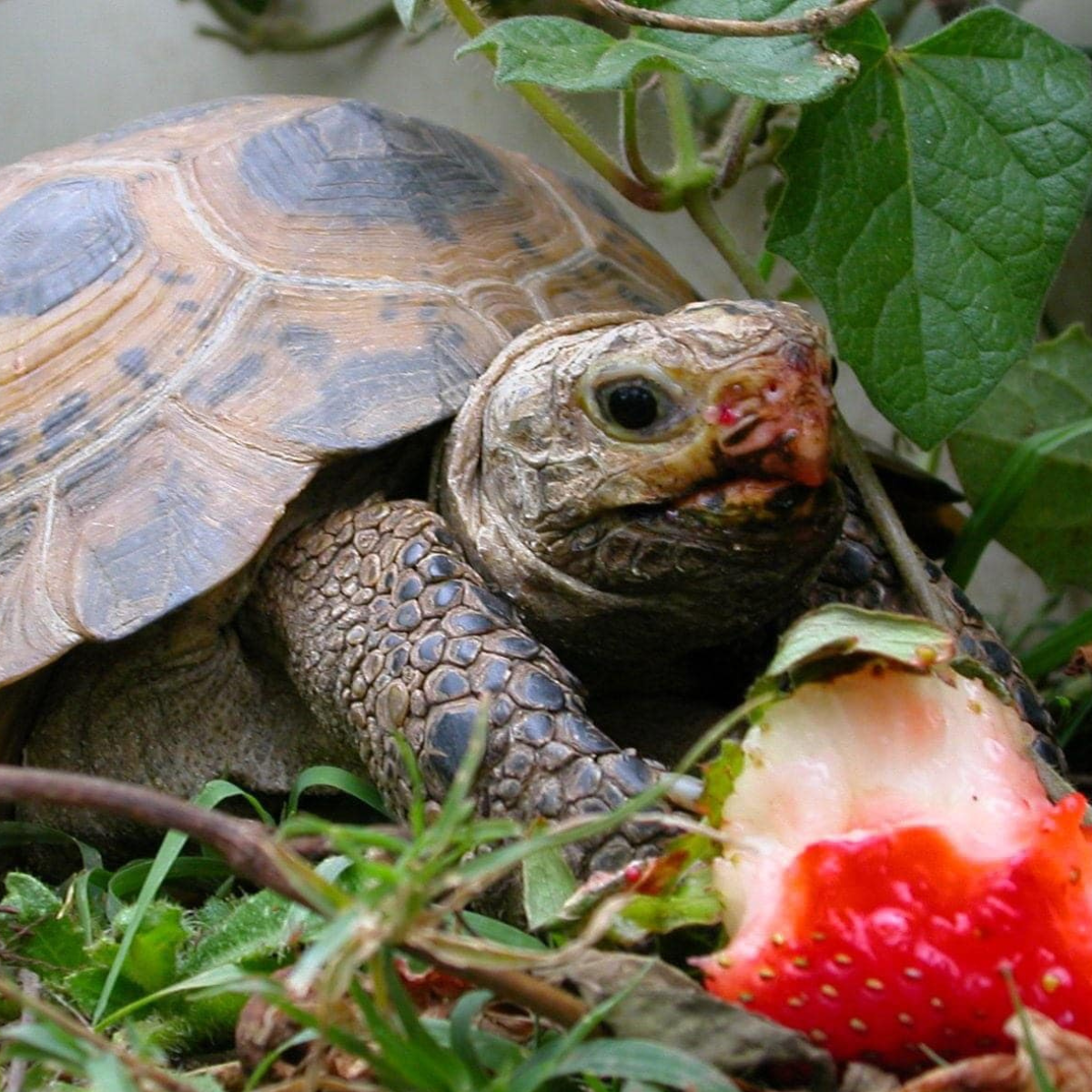
The Case of Ivan the Traveling Tortoise
Question: We have a Russian tortoise named Ivan. We’ve had him since 2008, and he’s moved with us from Texas to Alaska and Arizona. We take great care of him, but does he need a companion? Does he need to hibernate? Sometimes I feel like he would be better off at a sanctuary than in captivity at our house.
Susan Says: First of all, you clearly love Ivan! Moving a tortoise from the heat of Texas to the wilds of Alaska and the deserts of Arizona is no small feat. The fact that he’s been with you since 2008 tells me you are doing a wonderful job. Don’t feel guilty—a well-loved home is a sanctuary in its own right.
On Companionship: People often project human feelings onto tortoises, thinking they need “friends” to be happy. Trust me: they don’t. Russian tortoises are generally solitary, independent creatures. In the wild, they don’t hang out in social groups; they roam their territory looking for food and mates. If Ivan seems content, has a good appetite, and is active, he is perfectly happy being the “King of the Castle” on his own.
In fact, adding another tortoise can often cause more stress than joy. As we always say at the rescue, “One is enough.” They won’t get lonely, but they will fight over food and territory.
On Hibernation (Brumation): Russian tortoises definitely need to hibernate. It’s part of their biological clock. When you notice Ivan starting to slow down as the weather cools, it’s time to prepare. You have two main options:
- The Safe Box Method: Place him in a sturdy box (like a banker’s box) filled with shredded newspaper or hay. Keep this in a cool, dry place like a garage or a barn where other animals (especially rats or curious pets) cannot reach him. Check on him once a month just to make sure he’s okay, but don’t wake him up!
- The Free Roam Method: Alternatively, if your house is cool enough, some tortoises prefer to find their own “den.” We’ve had residents sleep under guest beds or even in the back of an unused shower for the winter! When spring arrives and he starts scratching around, just return him to his usual sunning spot.
On Vital Nutrition: For Vitamin D, there is no substitute for the real thing. I always recommend natural sunlight. If he’s indoors, make sure he gets sun through open windows or screens; most glass actually blocks the critical UVB rays they need to keep their shells hard and their bones strong.
To give him an extra boost, I recommend Fluker’s reptile vitamins. Just sprinkle a tiny, “salt-like” amount on his greens every few days. This ensures he’s getting the micronutrients that captive diets sometimes lack.
Choosing “Friends” for Little Turtles
Question: Which animals make good friends for little turtles?
Susan Says: This is a short answer: Other turtles of the same species. Little turtles typically do not need “outside” companions because they have each other for company in their early stages.
However, as they grow, they become increasingly independent. Most turtles and tortoises are perfectly fine living a solo life. Never try to pair a turtle with a “friend” like a lizard, a frog, or—heaven forbid—a dog or cat. As we’ve seen at the sanctuary, even a “playful” dog can turn a turtle into a chew toy in seconds. Keep your turtle’s circle small and species-specific!