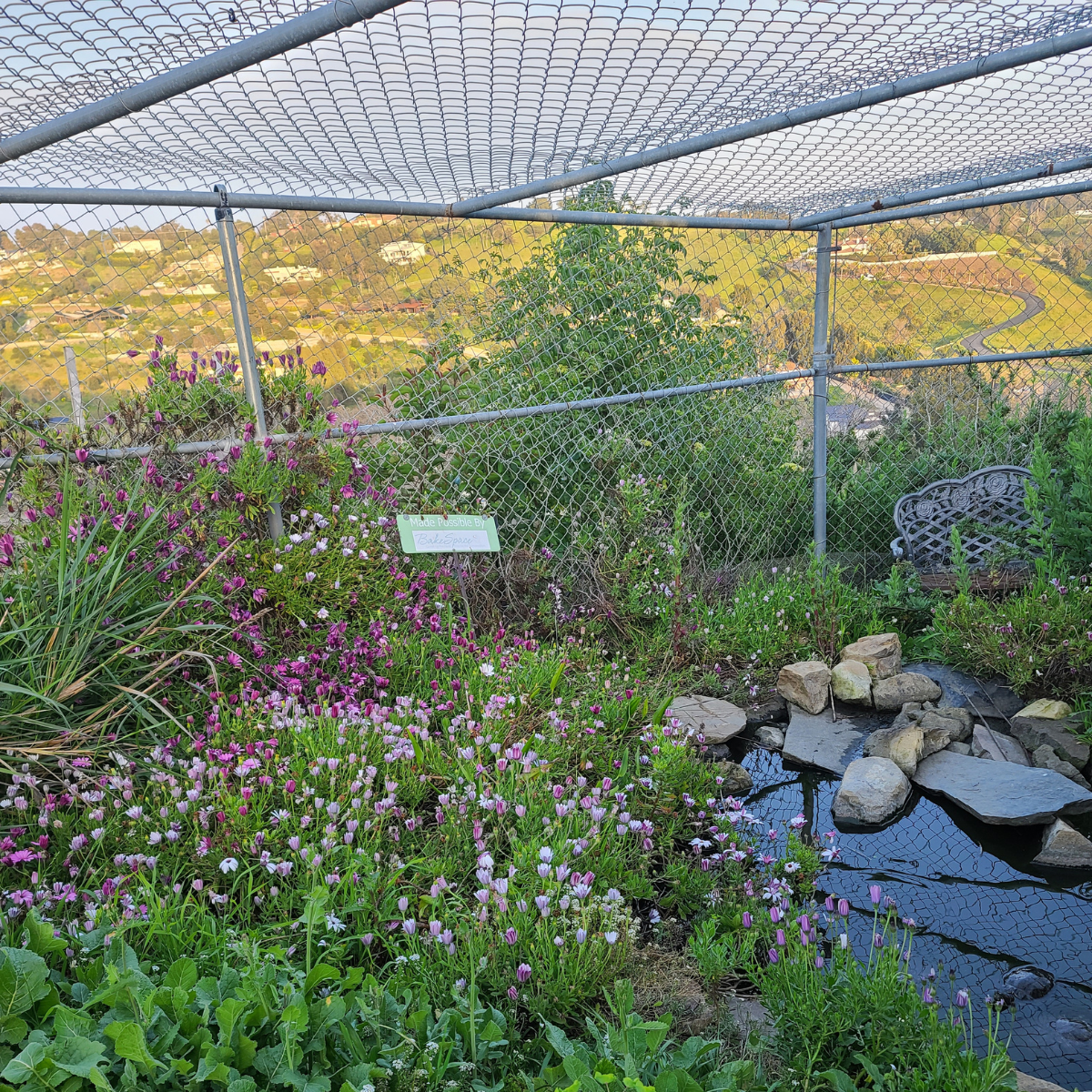
Ensuring a safe enclosure is the most important job of a turtle parent. We’ve seen firsthand how heartbreaking a breach can be. Years ago, we lost seven turtles in one night because raccoons climbed a 6-foot fence to get into our pond.
Natural Predators in Nature
In the wild, turtles and tortoises face numerous predators that threaten their survival. Here’s a look at some of their natural adversaries:
- Raccoons: Known for their dexterous paws and curiosity, raccoons can open enclosures and harm turtles or tortoises.
- Foxes: Agile and cunning, foxes can breach poorly secured enclosures.
- Birds of Prey: Hawks and eagles can swoop down and snatch smaller turtles and tortoises.
- Opossums: While less aggressive, opossums can still pose a threat to hatchlings.
- Other Turtles: Some turtles may exhibit aggressive behavior, especially in confined spaces.
- Bobcats and Other Felines: These stealthy predators can find and attack turtles, especially in less fortified enclosures.
- Coyotes: Coyotes are versatile hunters and pose a significant threat to many wildlife species, including turtles.
- Fish: Certain fish species prey on smaller turtles in aquatic environments.
- Humans: Sadly, human interference—whether through intentional harm or neglect—can be a serious issue.
We’ve experienced firsthand how these threats impact turtles in sanctuary settings. Many years ago, we added a beautiful pond for our water turtles here in Malibu, surrounded by 5- to 6-foot fencing. One morning, I walked in to find seven or eight water turtles dead or dying around the pond—raccoons had climbed the fence and killed them. It was heartbreaking. We immediately installed a specialized fence around the turtles with top and bottom coverage, and I’m relieved to say we haven’t had an incident in over 30 years.
Coyotes are also common here in Malibu. While they roam our property, they rarely target turtles, as there are plenty of small animals for them to hunt. However, vigilance is key.
Even squirrels, while not predators, can indirectly cause harm by digging tunnels that small turtles crawl into and get trapped. I’ve lost turtles this way, which is why I’ve taken steps to keep squirrels from entering the sanctuary. If you see any burrows, it’s best to fill them with rocks to prevent future accidents.
Human Interference
Human interference is one of the greatest threats to turtles and tortoises. Beyond habitat destruction and pollution, issues like theft and illegal wildlife trade are always on our radar. In fact, theft is a major concern at sanctuaries like ours, which is why we’ve installed electric fencing and restricted visitor access. With small turtles at risk of being pocketed or taken, it’s essential to protect them from both natural and human threats.
Potential Predators for Your Outdoor Enclosure
When setting up an outdoor enclosure, it’s important to consider the predators that might pose a risk:
- Local Wildlife: Depending on your location, this could include raccoons, skunks, or even stray pets.
- Domestic Pets: Dogs, in particular, can be dangerous. They kill turtles regularly, so always keep them separated from your turtles.
- Environmental Conditions: Extreme weather and environmental changes can also affect the safety of your enclosure.
Higher Risk of Predators Due to Scale of the Sanctuary
Larger sanctuaries often face heightened challenges due to their size. More space means more potential vulnerabilities, requiring greater resources and advanced security measures to ensure the safety of the turtles and tortoises. At American Tortoise Rescue, we’ve had to adopt special protective measures to meet these challenges head-on.
Building Your Home Outdoor Enclosure
If you’re designing an outdoor enclosure for your turtles or tortoises, here are some tips to keep in mind:
- Secure Fencing: Use strong, durable materials to prevent predators from breaking in.
- Buried Barriers: Extend fencing underground to deter animals that might dig their way in.
- Shelters and Hiding Spots: Provide plenty of shelters and hiding spots to help the animals feel safe.
- Monitoring and Maintenance: Regularly inspect the enclosure for any signs of wear or breaches.
I often hear from people who think digging a burrow for their tortoise is a good idea, but please don’t! The tortoises tend to dig even further and may end up under a neighbor’s house. Our sulcatas sleep in 8×4-foot houses with solid floors for a reason—it keeps them safe and contained.